How I launched 40 quests resulting in 111K activations
In Web3, attention is easy to buy. Adoption is not.
Quests close that gap. They turn “I heard about this protocol†into a guided set of actions that prove usage, validate completion, and reward the right behavior.
Towards the end of last year, I launched 40+ quests across major platforms, resulting in 111K+ unique activations. The work was built as a repeatable system, where each quest is treated like a mini product launch.
Total Activations
111K+
Total Quests
40+
Top Performer
Layer3
Table of Contents
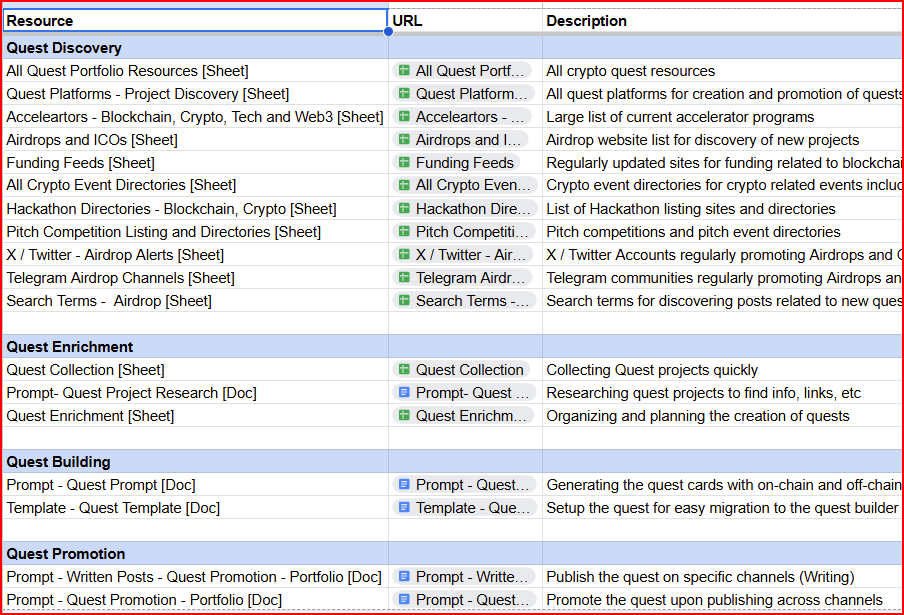
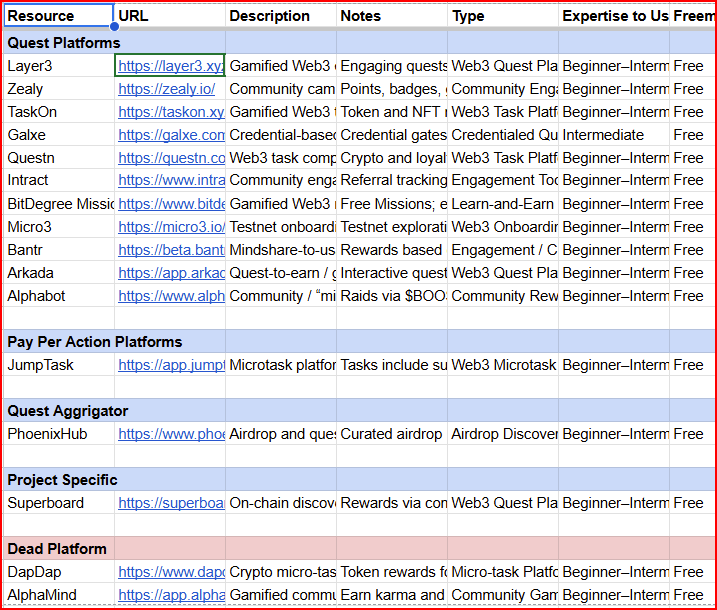
Resources Overview
Many resources were generated for the purposes of:
- â—Project Discovery - Find projects to create quests
- â—Quest Enrichment - Research the project and find links and information
- â—Quest Building - Setup the first draft, use the quest builder, and get the quest reviewed
- â—Quest Promotion - After publishing the quest, promoting the quest for user adoption
Where to find all my resources:
What Are Quests?
Intro
A quest is an interactive onboarding and growth campaign that blends on-chain actions, off-chain actions, and verification with rewards.
Think of it as a structured user journey.
Instead of asking someone to “go try the product,†you give them a clear path to the first meaningful outcome.
Quests are new incentive-based user experience which incentivize users and use gamification for them to experience your product. Often involving several audiences and with many variations, quests provide a unique way to engage with platforms and websites.
Quest Journey Overview
Just as the nature of technology is to evolve, so does the user. Quests are also always in a state of evolution because users are constantly seeking out new and novel experiences.
The best quests give users quests of varying sophistication and actions. Why?
Experience Levels
Inexperienced users vs experienced degens
Repetition
Too many of the same quests = users leave
Novelty
Narrative or novelty keeps people engaged
Scoreboard
Dashboards to compete and watch points grow
Quest Start to Finish
- Find a quest on a quest platform
- User opens the quest
- User completes actions (On-Chain and Off-Chain)
- Rewards unlock upon completion
Types of Quests
Usually quests I build come in a few variations of quest “typesâ€
On-Chain Activity - Sign Up and Complete a transaction
Certain types of projects such as dexes, per dexes, lending protocols, etc want users to interact with the smart contract to show user participation (swap, add liquidity, mint, lend, borrow, etc).
Campaign Quests - Sign Up and Participate
Native quest setups built out of an onboarding process with gamified elements such as points, levels, multipliers, and expiring initiatives.
Creator Platforms - Sign Up and Create
Platforms rewarding users for publishing content. Users are encouraged to join and promote a specific campaign or make something original.
Quest Actions Breakdown
On-chain
Swap, Deposit, Provide liquidity, Stake, Lend, Borrow, Bridge, Mint, Vote
Off-chain
Open Link, Read docs, Watch tutorial, Quiz, Follow socials, Join community
Why Quests Matter
Why Users LOVE Quests
- ✓Reduce confusion and increase confidence
- ✓Learn by doing (guided on-chain experience)
- ✓Less fear of mistakes
- ✓Progress feels measurable
Why Projects LOVE Quests
- ✓Performance channel built around outcomes
- ✓Higher intent users (real liquidity)
- ✓Cleaner attribution signals
- ✓Community flywheel effects
Why I LOVE Quests
"My motivation is simple: quests are where growth, product, and community meet. I like work that is measurable, user-first, and hard to fake."
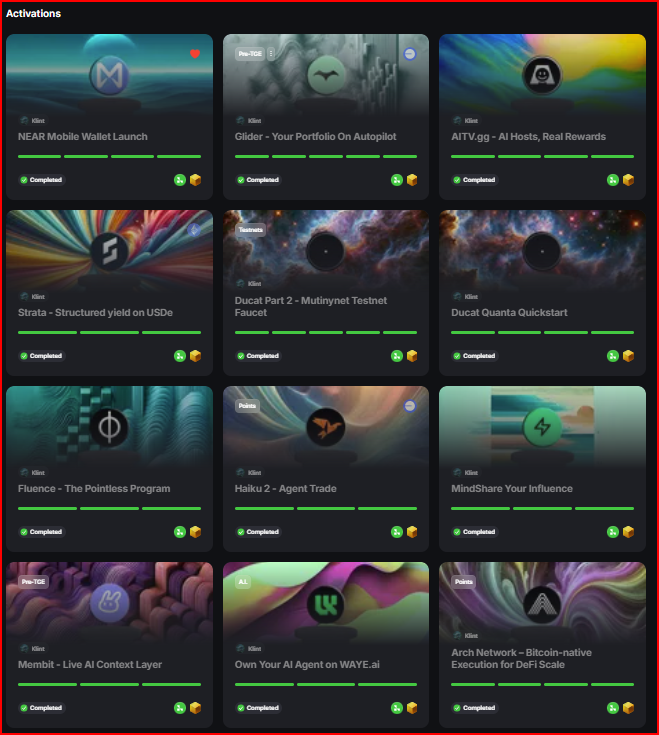
Quest Activations on Layer3
How I Build Quests
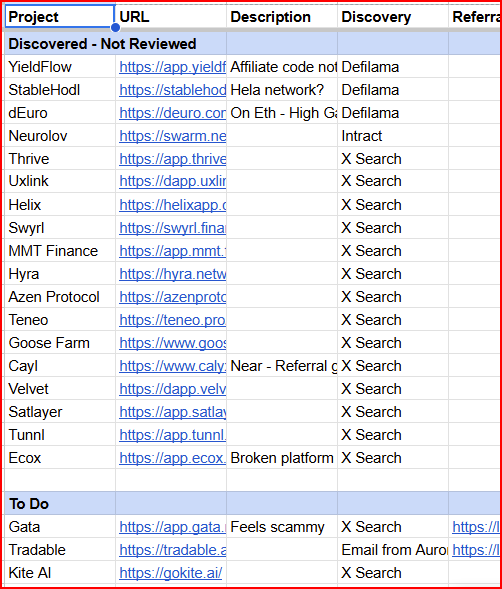
Project Discovery
I source projects where quests can create meaningful first use, not just clicks. Finding new projects is a game of speed.
Discovery Channels
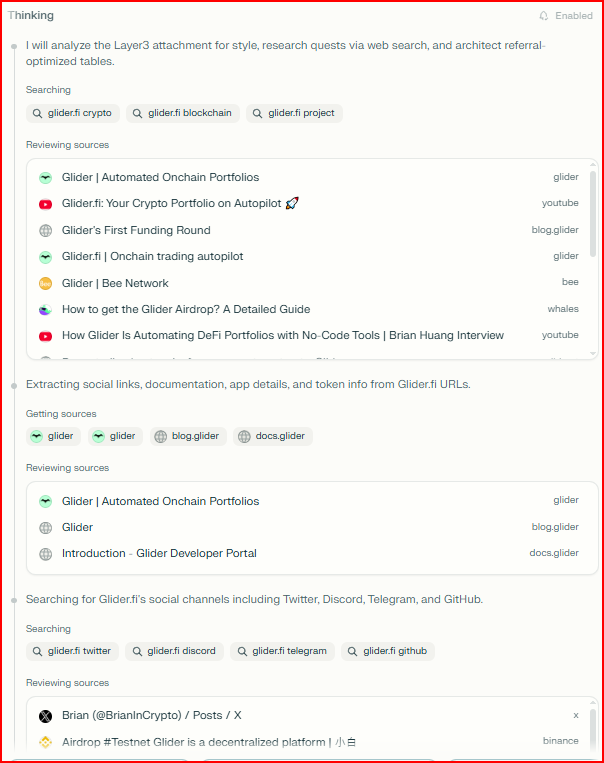
Project Enrichment
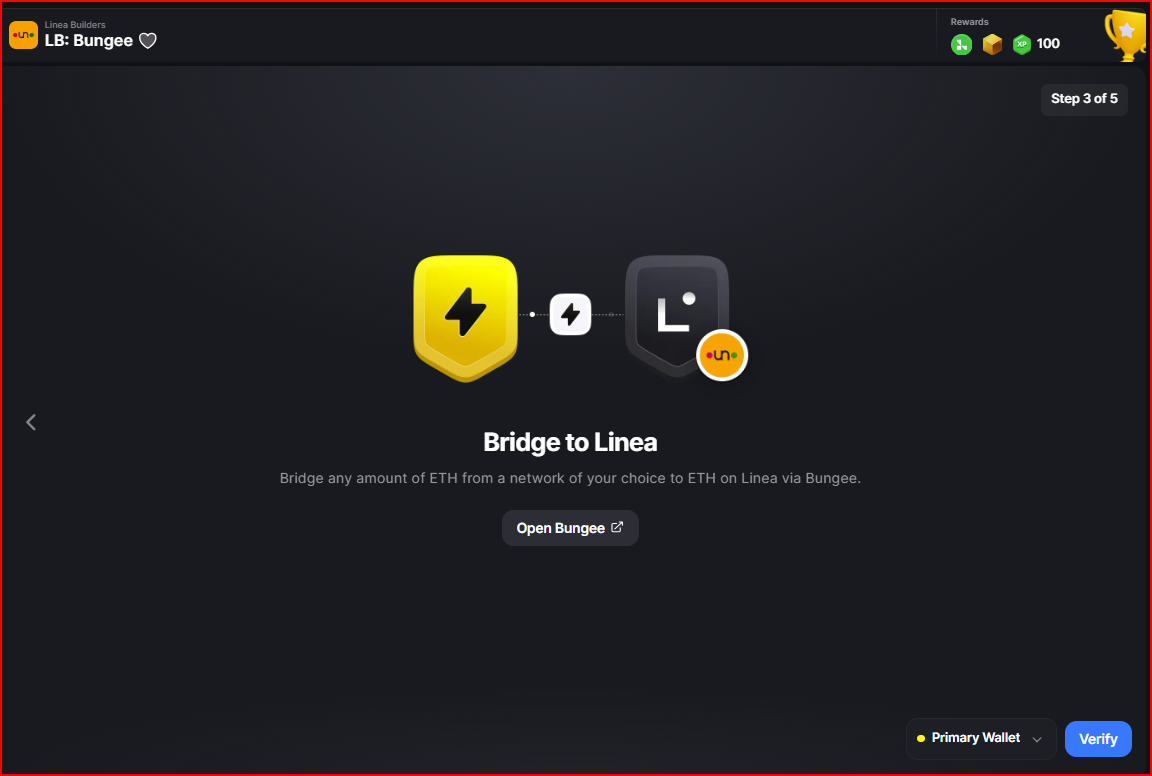
Before writing a single task, I map the protocol like a marketer and test it like a user.
Web URLs
Homepage, Docs, Whitepaper, Blog
Socials
X/Twitter, Discord, Telegram
Example: Using Perplexity to enrich projects
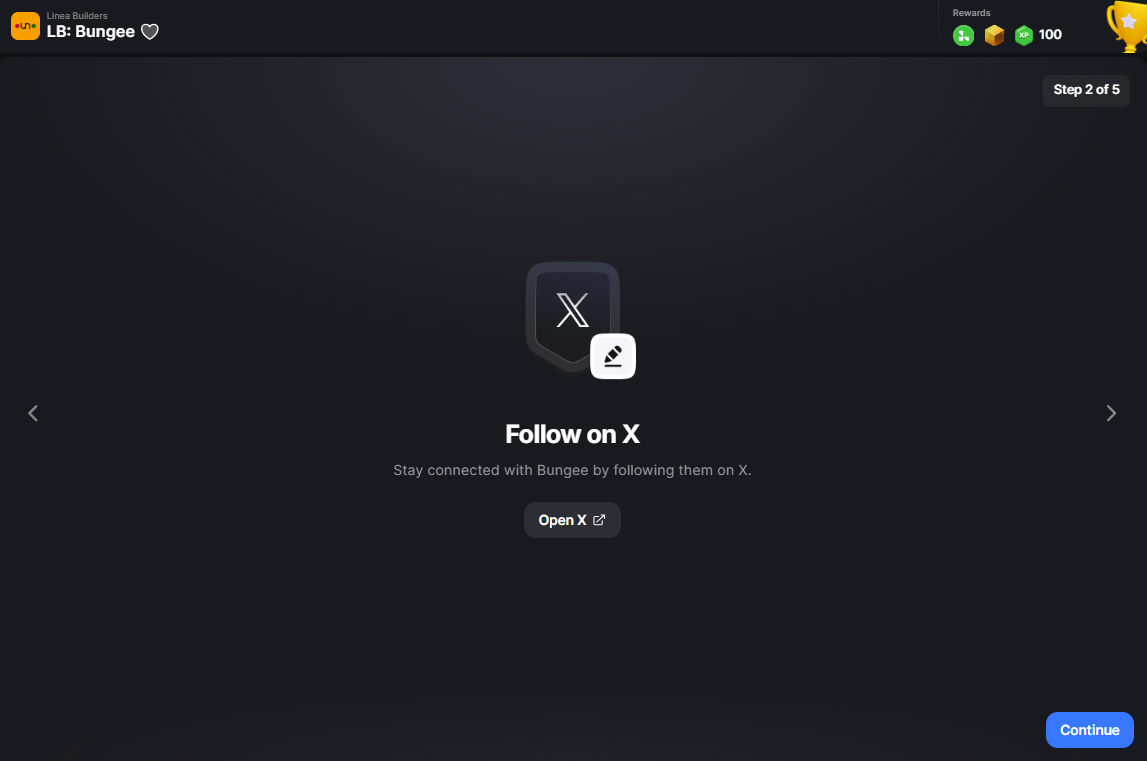
Referral Setup
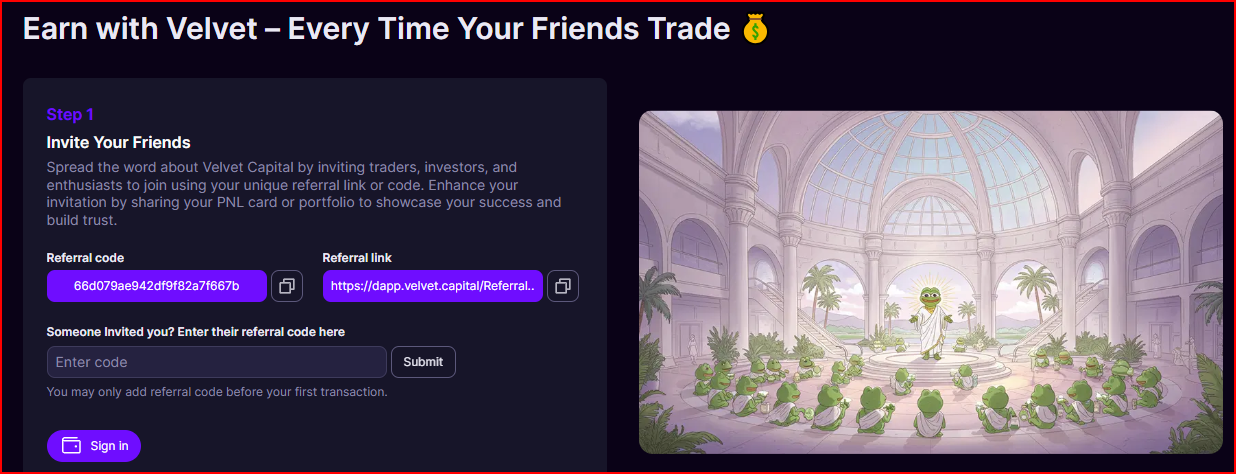
Referral links create attribution and allow me to track my incentive structure for sustained promotion.
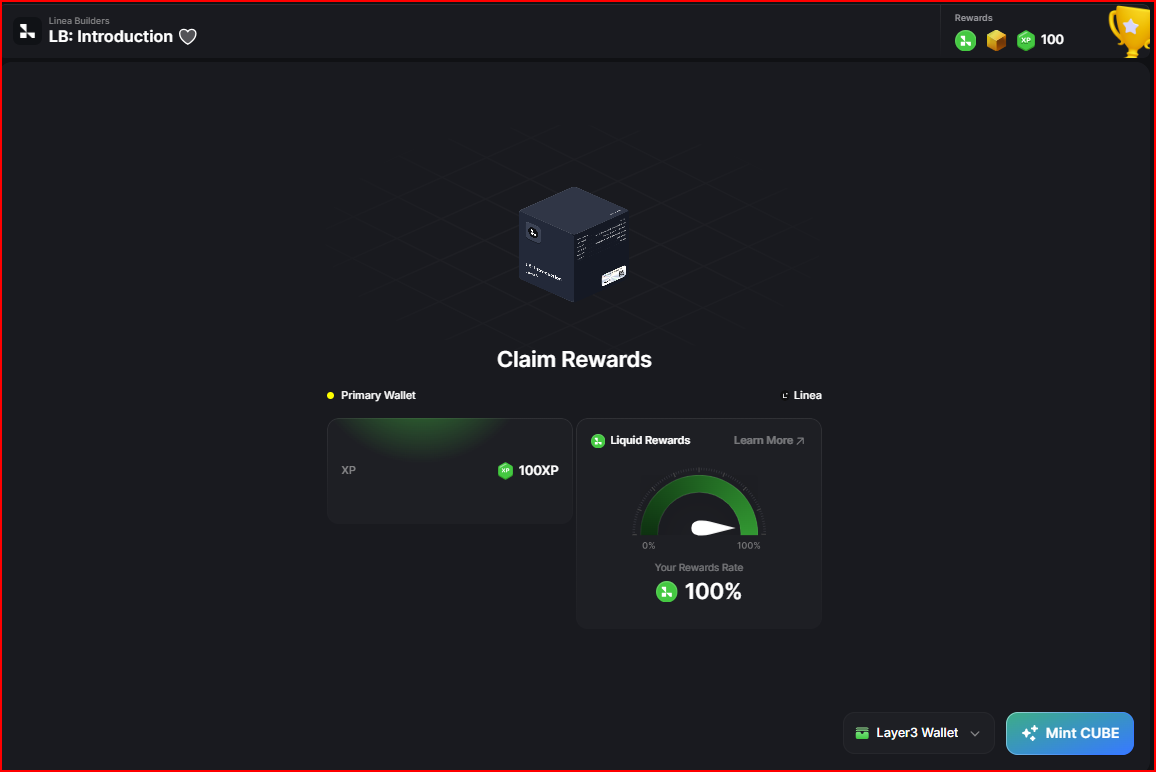
Functional Testing
Testing is where good quests stand out. I complete every step exactly as a new user would.
- Does it work (On-Chain)?
- Is it easy (Beginner - Medium)?
- What is the minimum viable transaction?
- Confirm positive result (Points/Rewards)
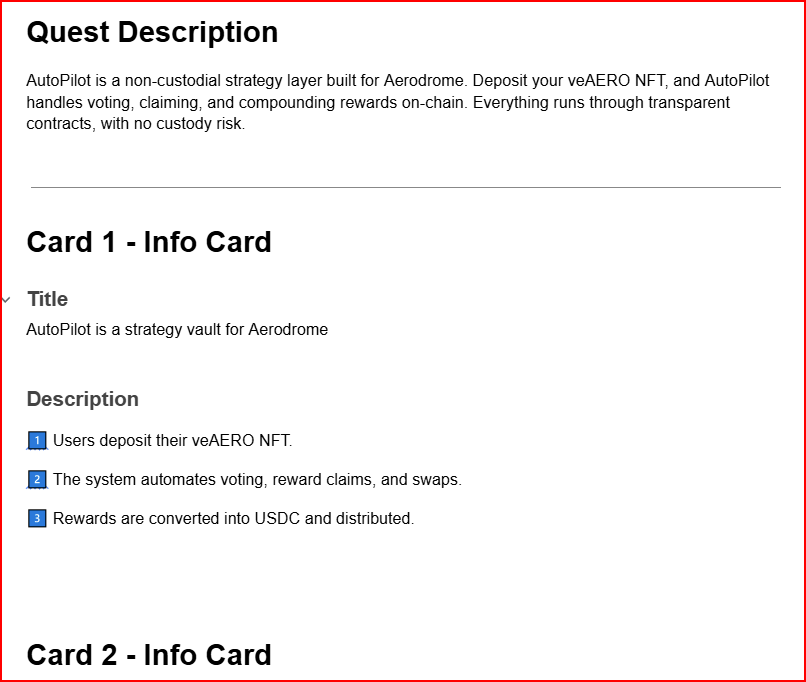
Quest Doc Build
Building the quest in a Google Doc with all resources, links, and clear instructions.
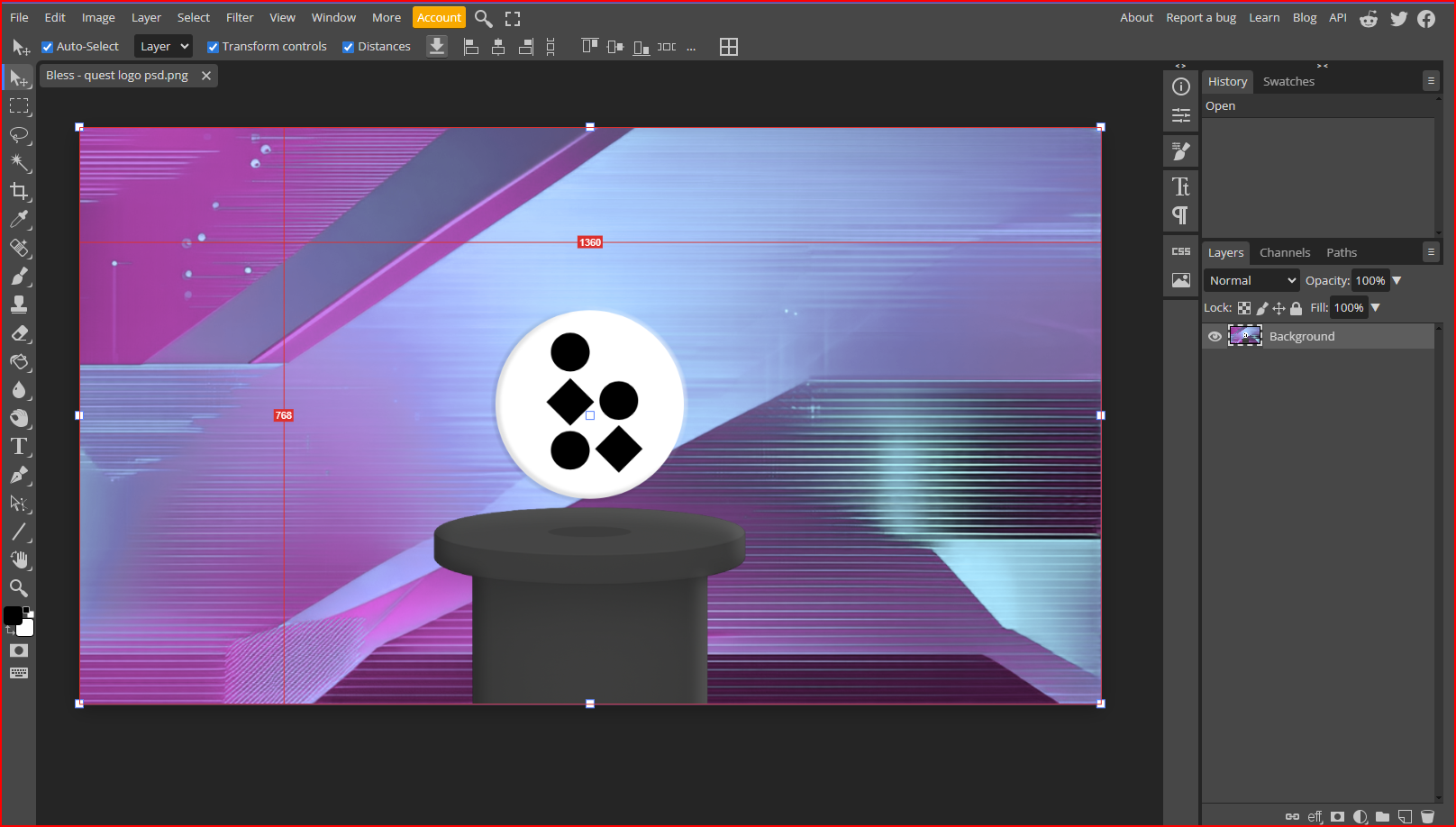
Quest Preview Image
Consistent quest creative using a clean template system.
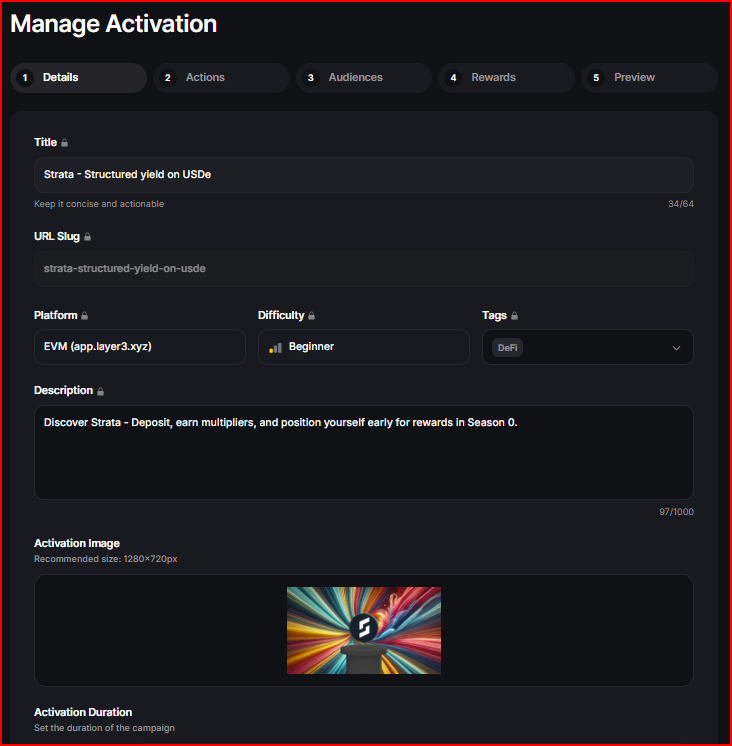
Native Quest Builder
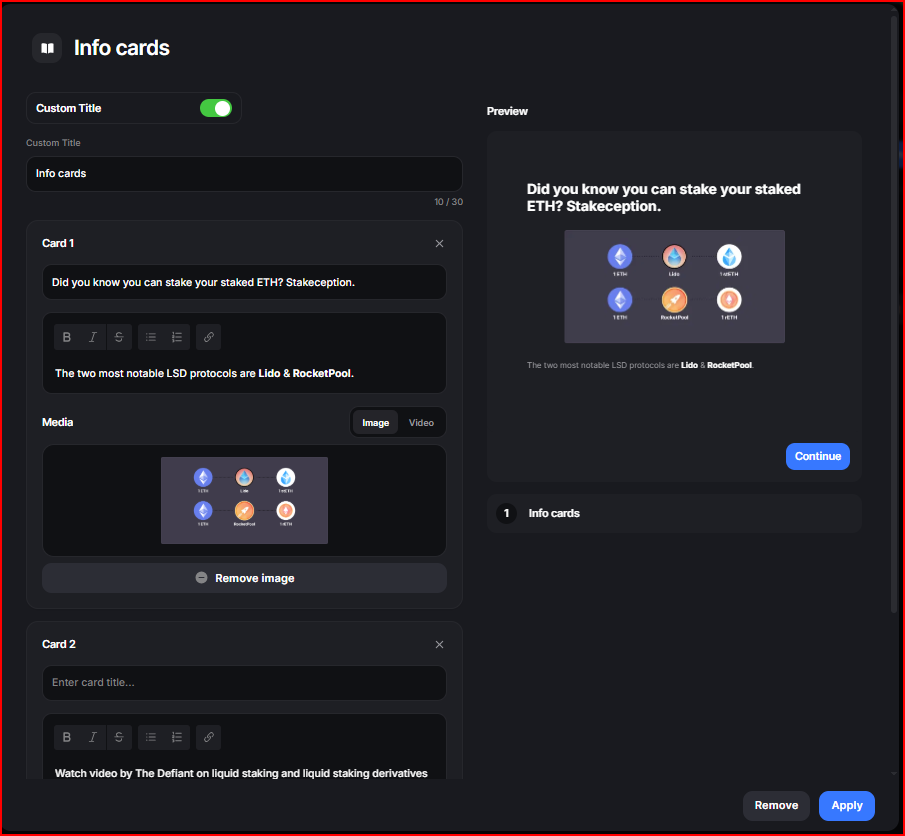
Implementing the quest in the platform builder (e.g. Layer3). Configuring chain, tasks, and verification.
Review and Approval
Submitting for review and getting feedback from moderators.
Promotion
Amplifying reach: Posting on X, joining communities, and creating tickets.
Monitoring
Checking referrals and future airdrops.
Conclusion
The 111K+ activations did not come from guesswork. They came from a launch system designed to remove friction, protect proof quality, and make completion feel obvious.
My Method Works
- Faster onboarding - First to value
- Stronger verification - Fewer farmers
- Better completion - Clarity
- Campaigns built - Real usage
- Launch process - Scalable
If you want onboarding that feels crisp, measurable, and genuinely useful to users, quests
are one of
the best tools Web3 has.
The difference is execution. That’s the part I’ve
systematized.